
Structural Drawings For Loft Conversions
A loft conversion can be one of the most effective ways to add usable space and value to a property, but it also involves altering the structure of the existing house. In most cases, new floor members, trimmed openings, local strengthening and new supports all need to be properly considered before the work begins.
At Morgan Engineering Consultants Ltd, we provide structural drawings, structural calculations, site inspections and feasibility input for loft conversion projects, helping homeowners, architects and contractors move projects forward with clear, practical and buildable structural design.
Our role is to design the structural elements of the conversion and present them clearly for Building Regulations approval, technical coordination and construction on site.
Whether you are at early feasibility stage or already have architectural drawings prepared, we can advise on the structural requirements of the project and produce the information needed to progress it properly.
Structural engineering for loft conversions
A loft conversion is not simply a case of boarding over the existing ceiling joists and creating a new room in the roof.
In most houses, the existing roof and ceiling structure was not originally designed to act as a habitable floor. Converting the loft usually means introducing new structural elements and altering the way loads are transferred through the building.
Depending on the project, this may include:
- New loft floor joists or floor beams
- Trimming around the new stair opening
- Support for dormer structures
- Local strengthening to existing roof members
- New steel beams, timber members or posts
- Checking bearings and load paths into supporting walls
Good structural design helps ensure the structural intent is clear, practical to build and properly coordinated with the architectural layout.
This is particularly important on loft conversions, where the structure often has to work around stairs, headroom constraints, roof geometry, existing walls and limited construction space.

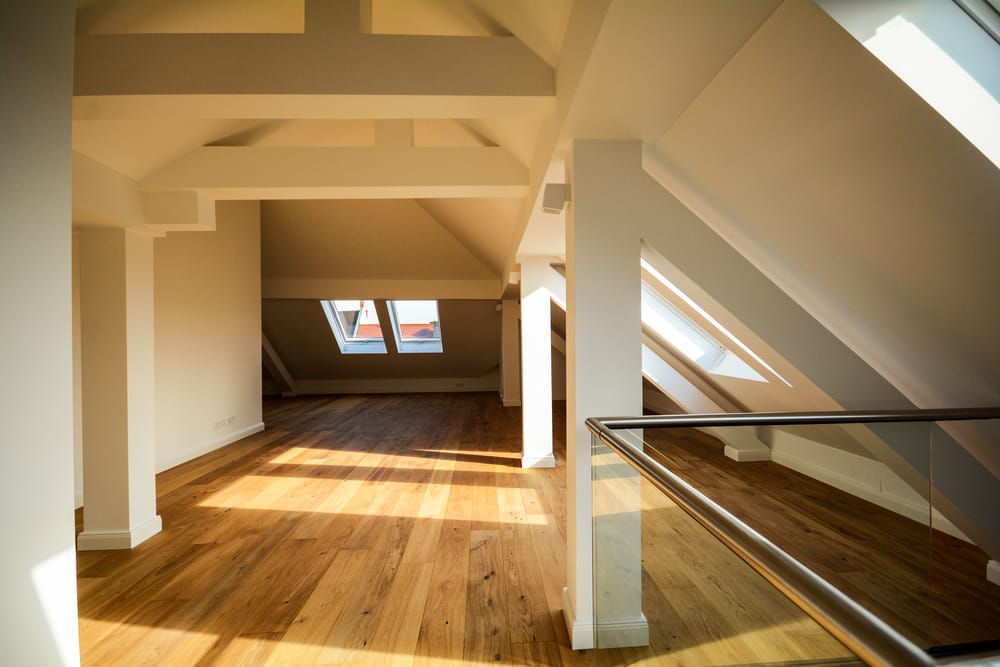
What Structural Drawings For a Loft Conversion Usually Show
Structural drawings for loft conversions will typically show the main structural elements required to support the proposed works.
Depending on the scheme, this may include:
- Layout of new loft floor joists and beams
- Beam sizes and positions
- Trimming around stair openings
- Bearings and padstones where required
- Dormer support structure where applicable
- Roof member strengthening where required
- Restraint and tying details where relevant
- Key construction notes for installation
The exact level of information will depend on the nature of the project.
For example, a simple rooflight loft conversion may require a relatively straightforward structural arrangement, whereas a larger dormer conversion or more extensive roof alteration may require a more involved structural design.
Our approach is always to keep the structural solution clear, proportionate and buildable.
Do You Need Structural Calculations for a Loft Conversion?
In most cases, yes.
Where structural alterations are proposed, Building Control will typically require structural calculations and supporting structural drawings as part of the Building Regulations process.
Structural calculations are used to demonstrate that the proposed members and supporting structure are adequate for the intended loading and arrangement.
Depending on the project, this may include checks for:
- Loft floor loading
- Joist and beam sizing
- Beam deflection
- Trimmed stair openings
- Dormer support members
- Bearings and load transfer
- Local strengthening to existing structure where required
The calculations and drawings should align with each other so the structural proposal is clear and consistent.
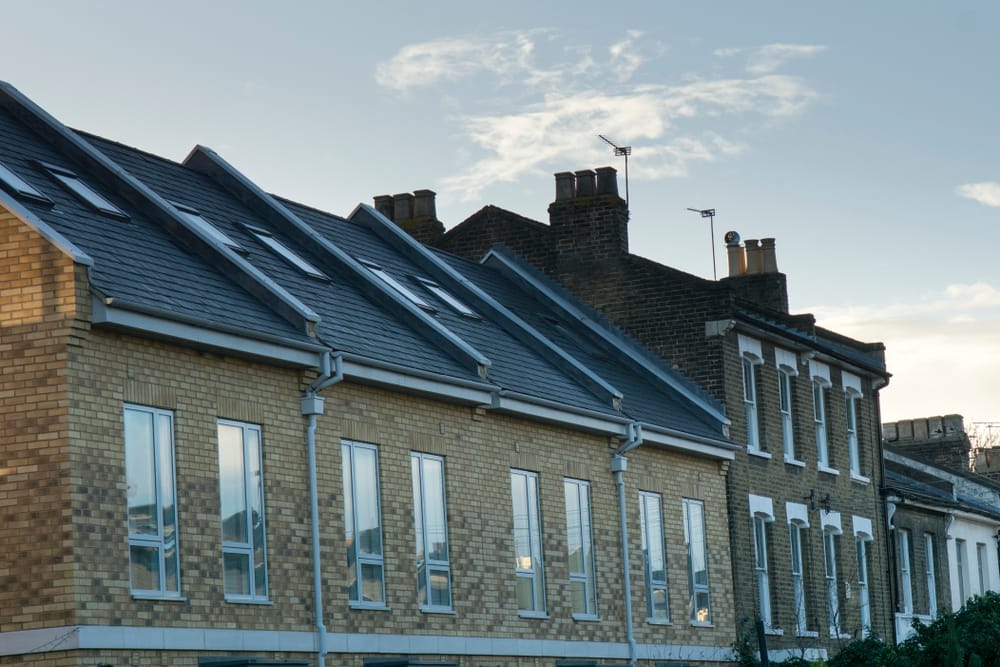
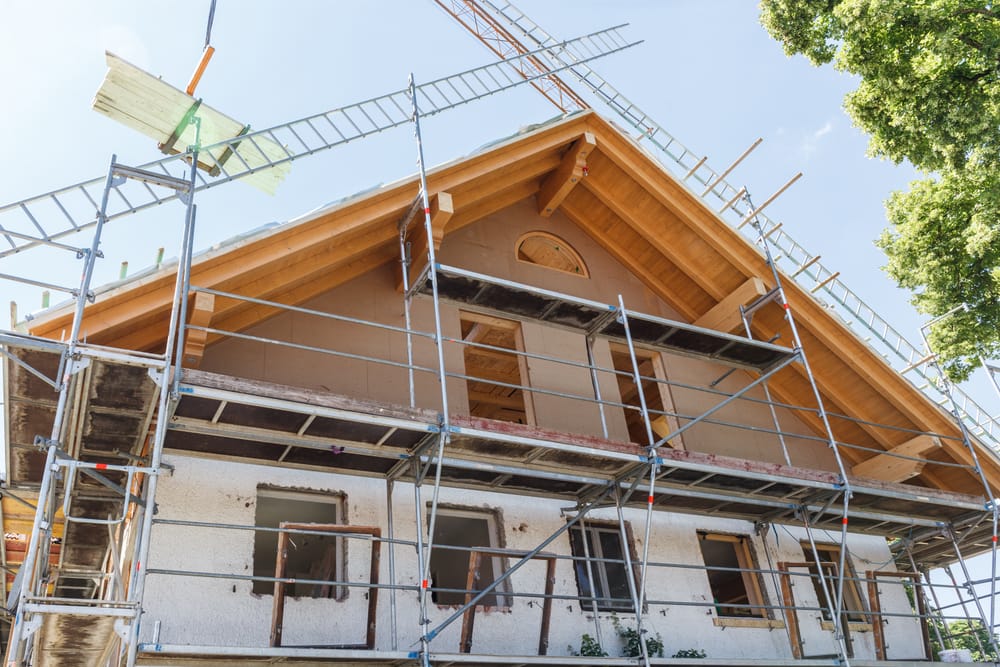
Traditional Cut Roofs vs Trussed Rafter Roofs
The structural approach can vary significantly depending on the existing roof type.
Traditional cut roof
Older properties often have a traditional cut timber roof, usually formed with rafters, purlins, collars and ceiling joists.
These can often be adapted more easily, although they still need proper structural design where members are altered or removed.
Trussed rafter roof
More modern houses may have prefabricated trussed rafters.
These generally require more structural intervention because the internal web members form part of the roof’s structural action and cannot simply be removed without replacement support being designed.
Where trussed roofs are involved, structural design is often more extensive and should be considered carefully from the outset.
Our Typical Process
What We Typically Need To Get Started
To prepare structural drawings and calculations for a loft conversion, it is helpful to have as much of the following information as possible:
- Existing and proposed architectural drawings
- Photos of the loft and roof structure
- Property address and basic project description
- Proposed stair location
- Dormer, rooflight or roof alteration proposals
- Any known previous alterations
- Any available measured survey information
In many cases, a site inspection is also recommended or required so the existing structure can be reviewed before the design is finalised.
This is particularly important where the existing construction is unclear or where assumptions could materially affect the design.


What Is Typically Involved Structurally In a Loft Conversion?
Every loft conversion is different, but there are a number of common structural issues that often need to be addressed.
1. New loft floor structure
The existing ceiling joists are often not suitable to act as a habitable floor in their current form.
A new structural floor is therefore commonly introduced, either using new timber joists, steel beams, or a combination of both, depending on the layout and spans involved.
2. Stair opening trimming
Forming the new stair opening usually requires trimming around the opening and ensuring loads are transferred properly into the surrounding structure.
This is one of the most common elements of loft conversion structural design.
3. Roof alterations
Where rooflights, dormers or other alterations are introduced, parts of the existing roof structure may need to be cut, strengthened or re-supported.
This needs to be considered carefully, particularly where purlins, struts, collars or trussed rafters are affected.
4. Beam design
Many loft conversions include steel or timber members to support the new floor and altered roof arrangement.
These need to be sized properly and checked for span, loading, bearings and practical installation.
5. Load paths into the existing house
A loft conversion does not just affect the loft itself. New loads are transferred down into the existing supporting walls and, in some cases, may also affect the structure below.
This is why loft conversion structural design needs to consider the house as a whole rather than just the new room in the roof.
Our Approach
At Morgan Engineering Consultants, we aim to keep structural design clear, efficient and practical.
For loft conversions, that means producing structural information that is:
- Technically robust
- Proportionate to the project
- Clear for Building Control review
- Co-ordinated with the proposed layout
- Sensible to build on site
We work regularly on residential structural alteration projects and understand that the best solution is not always the most complicated one.
Good structural design should solve the problem properly while remaining practical, economical and straightforward to build.


When Should a Structural Engineer Be Involved?
Ideally, a structural engineer should be involved once the proposed loft layout is reasonably developed, but before the project progresses too far into the Building Regulations stage.
Early structural input can help:
- Avoid awkward stair or beam clashes
- Identify support requirements early
- Improve buildability
- Reduce redesign later in the process
- Help the layout develop around realistic structural constraints
The earlier the structure is considered properly, the smoother the project usually runs.
Areas We Cover
- Essex
- Colchester
- London
- Sutton
- Surrey
- and surrounding areas
Frequently Asked Questions
Get a free consultation
If you have any specific questions or want to book a consultation, please fill out the contact form or get in touch via the details below and our team will get back to you as soon as possible.
Head Office:
Knowledge Gateway,
Boundary Road,
CO4 3ZQ
Head Office Contact:
London Office:
London,
SM1 4FS
London Office Contact:
